





Get 10% Off Your Order
Subscribe to our newsletter to get an instant 10% discount code for your order. You’ll also be the first to know about future sales and get exclusive updates from the Whole Circle Farms family.



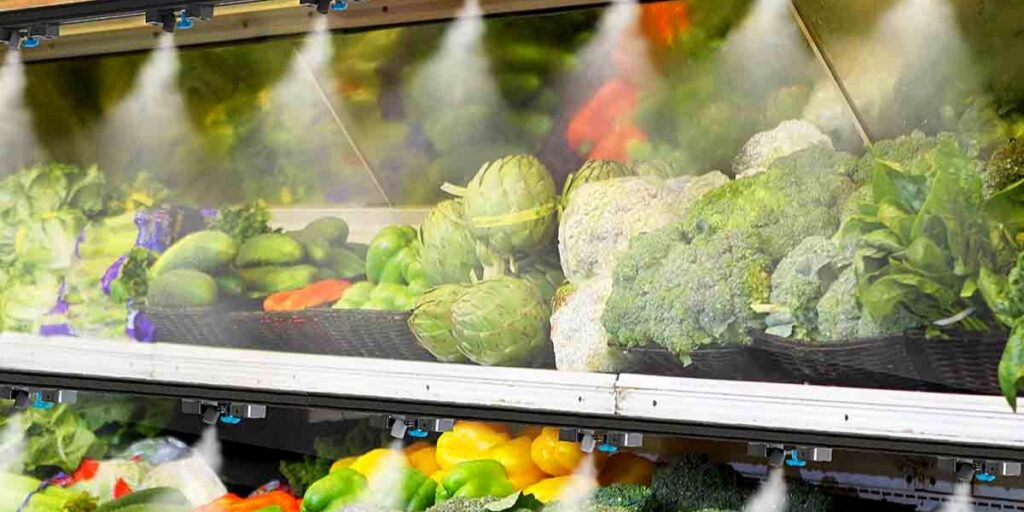
I always assumed it was simply water, keeping everything fresh and crisp.
But a recent article caught my attention and made me wonder: What exactly is being sprayed on our food?
On September 21, 2026, the Texas Attorney General announced a settlement with Sprouts Farmers Market over its use of a product called ProduceMaxx, a chlorine-based antimicrobial wash used on produce.
As part of the settlement, Sprouts agreed to discontinue misting ProduceMaxx on produce at all its stores nationwide, with the agreement taking effect within 90 days.
ProduceMaxx contains hypochlorous acid, a chlorine-based compound used to control bacteria, including organisms that can cause foodborne illness. The product is registered with the Environmental Protection Agency as an antimicrobial pesticide.
Sprouts isn’t the only grocery chain that has used these treatments. Earlier this year, Albertsons-owned stores in Texas reached a settlement involving similar practices.
Interestingly, Natural Grocers, Whole Foods, and H-E-B were recognized by the Texas Attorney General for not treating organic produce with antimicrobial pesticides.
So clearly, not every grocery store follows the same practices.
And here’s something else worth knowing: USDA organic regulations do allow certain chlorine-based sanitizers in produce handling, provided specific requirements are followed.
That means organically grown produce may still come into contact with approved sanitizing treatments after harvest.
The next time you’re standing in the produce department watching that mist settle over the vegetables, consider asking someone who works there:
“Is that just water, or is there something added to it?”
It’s a simple question, and one worth asking.
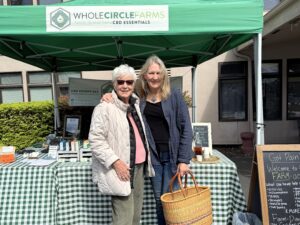
This brings me back to something I’ve believed for years: there’s tremendous value in knowing the people who grow our food.
And even better, you can look your farmer in the eye and ask how that lettuce was grown, whether anything was sprayed on it, and how it was washed after harvest.
Supporting local farmers isn’t just about buying fresh vegetables. It’s about supporting our local economy, protecting farmland, strengthening our communities, and building relationships with the people who feed us.
Know your farmer. Know your food. And never be afraid to ask questions.
From our farm to your family,
Whole Circle Farms
Subscribe to our newsletter to get an instant 10% discount code for your order. You’ll also be the first to know about future sales and get exclusive updates from the Whole Circle Farms family.